Family FAQs
Whether you are considering KU or are already on your journey with us, this FAQ page is here to answer the most common questions from families.
What types of childcare does KU offer?
At KU, all our services provide high quality early childhood education and care with a play-based program.
Our service types include preschools, kindergartens and long day care services. We also offer supported playgroups, early childhood intervention and allied health services, and Adult Migrant English Program (AMEP) childcare.
How do I organise a service tour?
Simply reach out to the KU service you are interested in to secure a booking. During the tour, you will be able to meet staff, view the indoor and outdoor environments, learn about the service’s educational program and ask questions.
Click here to find a KU service near you. On each service’s page, you’ll be able to get in contact via an enquiry form or phone number to arrange your tour.
How can I find out more about a specific service?
Each KU service follows an approved Early Years Learning Framework individualised to their own service and community.
For detailed information, please visit the service’s page. You can also contact the service directly by phone or their dedicated enquiry form for further assistance.
How does KU keep children safe?
As a not for profit and for purpose organisation, KU prioritises children, not profits. We have a longstanding and unwavering commitment to the safety and wellbeing of children, with zero tolerance for abuse or harm.
Children’s safety and wellbeing are at the centre of our practice and decision-making across the organisation. The National Principles for Child Safe Organisations (Child Safe Standards) are embedded across KU, and our Code of Conduct and Child Safe policies ensure robust child safe practices and a strong child safe culture.
Every KU service and program has a Child Safe Risk Management Plan to address any potential risks in the physical and online environment, as well as a Supervision Plan to ensure line of sight is always maintained between staff working with children.
Since our establishment in 1895, KU has been a leader in child safety and was the first provider in Australia to employ a dedicated Child Protection Manager. Today, our highly experienced Child Safe and Wellbeing team continues to guide the embedding of child safe practice across the organisation and conduct investigations into any concerns.
For more information, view our Child Safe Commitment page.
What does KU do to make sure staff are suitable and have the skills to keep children safe?
KU takes great care to ensure that all staff within our services are qualified, experienced and share our commitment to providing safe, high-quality early education and care.
Our recruitment processes have a strong child safe focus. Applicants are required to demonstrate an understanding of child safe practices, mandatory reporter responsibilities and a genuine commitment to children’s safety and wellbeing in an interview before progressing through the recruitment process.
Comprehensive pre-employment screening and referee checks ask specific questions about the applicant’s employment history, including if any concerns have been raised about the applicant’s interactions with children.
All KU staff have a current and verified Working with Children Check (WWCC) and are provided with ongoing Child Safe and Wellbeing training to ensure they understand their responsibility to keep children safe. This comprehensive training covers all key child safe skills, including recognising inappropriate behaviours and the crossing of professional boundaries, child safe reporting processes, supporting children during disclosures of abuse, and child protection and mandatory reporter training.
For more information, view our Child Safe Commitment page.
How do I add my child to the waitlist?
Placing your child on the waitlist is easy.
- Find your service, if you have any questions, you may wish to call your service directly.
- Select the ‘Apply now’ button.
- Fill out your details on the waitlist form and we’ll be in touch.
Where can I get help to complete a waitlist or set up my Xap parent portal?
If you would like help completing a waitlist, setting up your Xap parent portal or resetting your password, call the Xap Families Helpline on 1300 543 792 – then select option 1. (8am – 6pm AEDT)
How can I check the status of, or make changes to, my waitlist application?
If you submitted your waitlist application correctly, you should have received an email from KU’s childcare management program Xap confirming that we have received your application.
When a place becomes available for your child, we’ll reach out to you to secure your enrolment.
In the meantime, if you would like to make changes to your existing application, you can use your parent login to update your application on Xap, or reach out to the service directly via email or phone and a team member will be able to assist you.
What is provided and what do I need to pack for my child?
KU’s long day care services provide nappies, wipes and nutritional meals freshly prepared by an on-site chef, often with fresh produce from the service’s own garden.
If your child is attending a preschool or kindergarten, make sure to pack a nut-free, nutritious lunch and water bottle.
Every child will receive a sun-safe, KU hat made from sustainable materials to wear each day. We recommend bringing a spare set of clean and labelled clothes.
If your child will be sleeping at the service during the day, you will need to bring a sleep sheet, sleep bag, and dummy or comforter if required.
Speak with your KU service for more details on what to bring each day.
What will my child engage in at a KU service?
Your child will engage in a play-based program led by a university qualified early childhood teacher and an experienced and dedicated educator team.
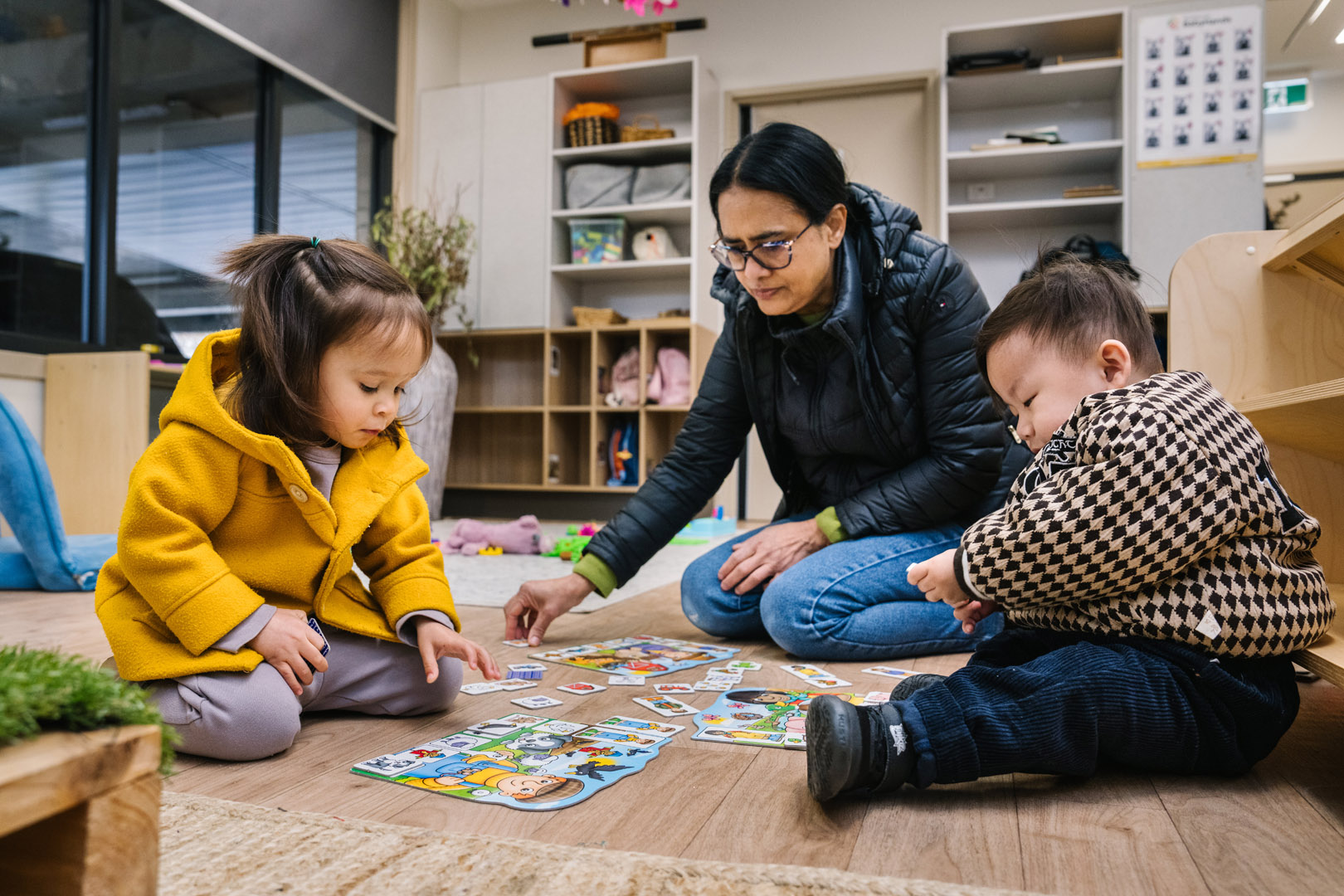
Their day will consist of a combination of learning experiences both inside and outside such as art, construction, puzzles, dramatic play, and fundamental movement skills.
The daily routine of each service provides time for routines such as meals, rest and relaxation, and self care.