125 1

KU's history timeline

Explore KU's history through the years and learn how early childhood education has changed and evolved.
1895

The foundation years

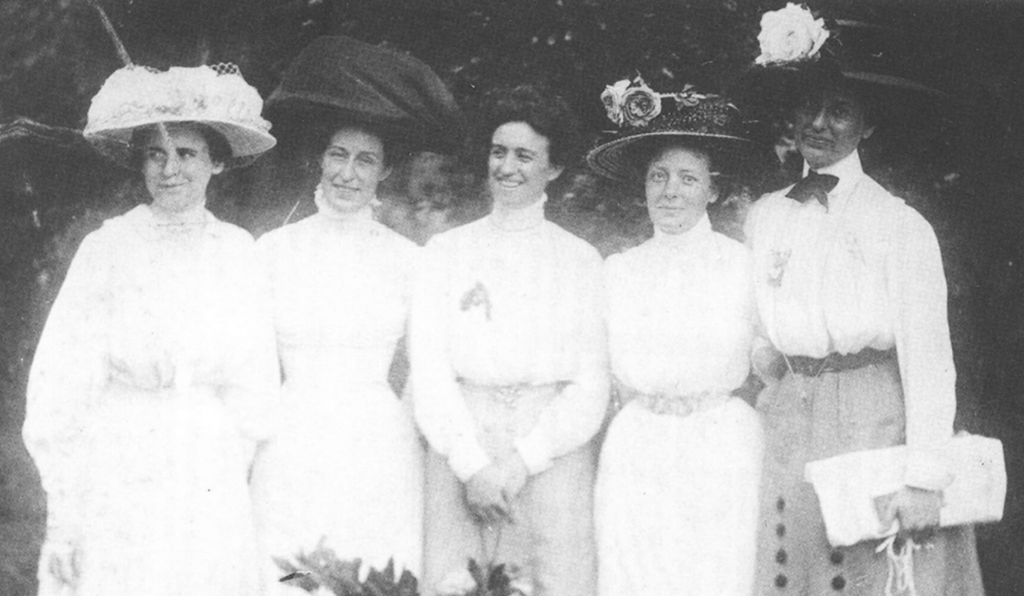
The Kindergarten Union of New South Wales “was born into an unsympathetic world” in July 1895. At this time, education for very young children in Australia is virtually non-existent.

125 2
125 3

1901

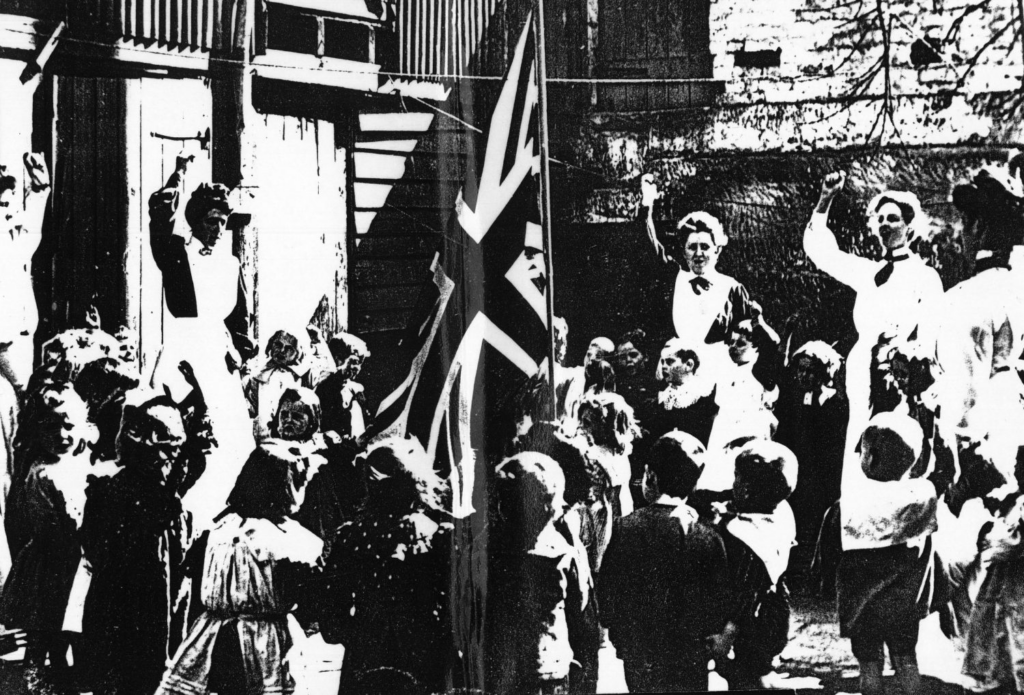
For King and country

The social reform aspect of Free Kindergartens is expected to extend well beyond the individual children, into their homes and the community at large.

1902

The Kindergarten Training College

From its inception the Kindergarten Union “cherished the idea of training teachers”. As the Woolloomooloo Free Kindergarten opens (1896) the staff train three afternoons a week in a makeshift classroom above the kindergarten.

125 6
125 4

1916

Supervised playgrounds

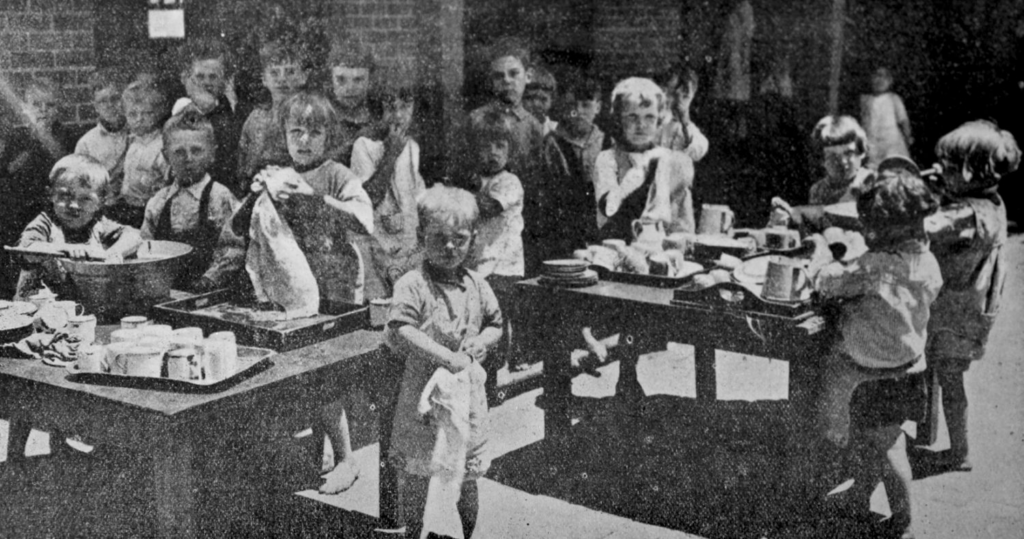
For many years the Kindergarten Union described itself as “administering Kindergartens, Nursery Schools and Playgrounds”. The Kindergarten Union ran four supervised playgrounds in close cooperation with Sydney City Council.

1931

A national platform

In the early 1930s, the first serious attempt to join the state based Kindergarten Unions into a national organisation comes from NSW, with the formation of the Commonwealth Kindergarten and Primary Association.

125 8
125 7

1935

Playways

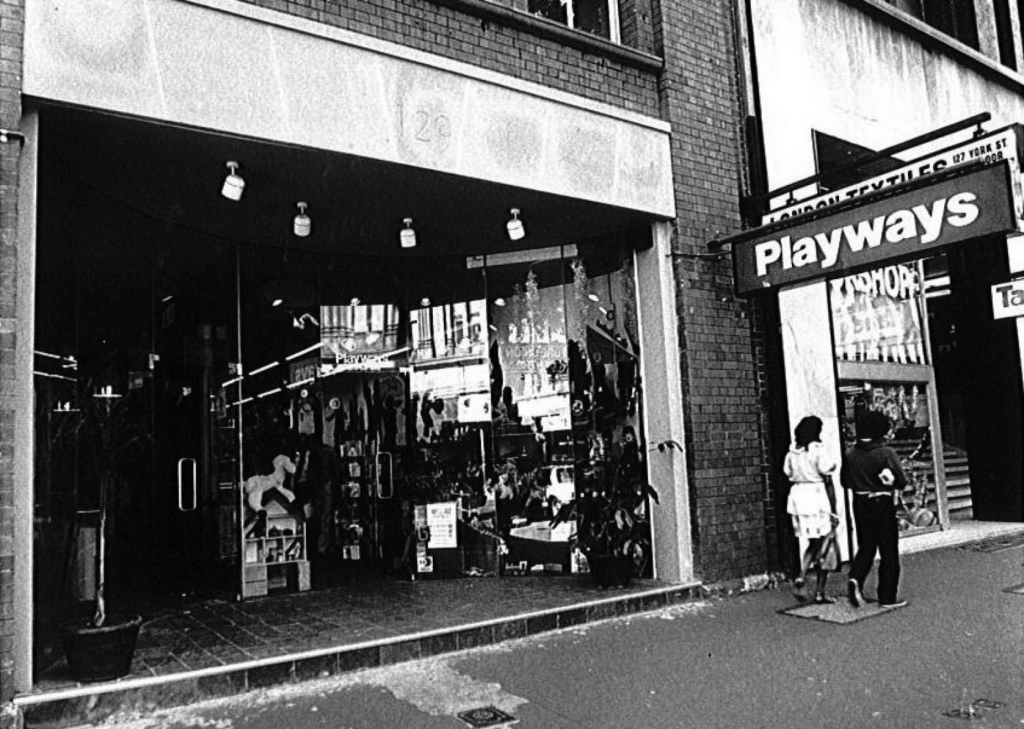
The Playways Toyshop was instigated by Florence Sulman in 1935, as a response to the difficulties kindergartens faced in obtaining appropriate equipment and toys. Initially known as the Kindergarten Union Depot, it was renamed Playways in 1937.

1940s

Adaption and innovation

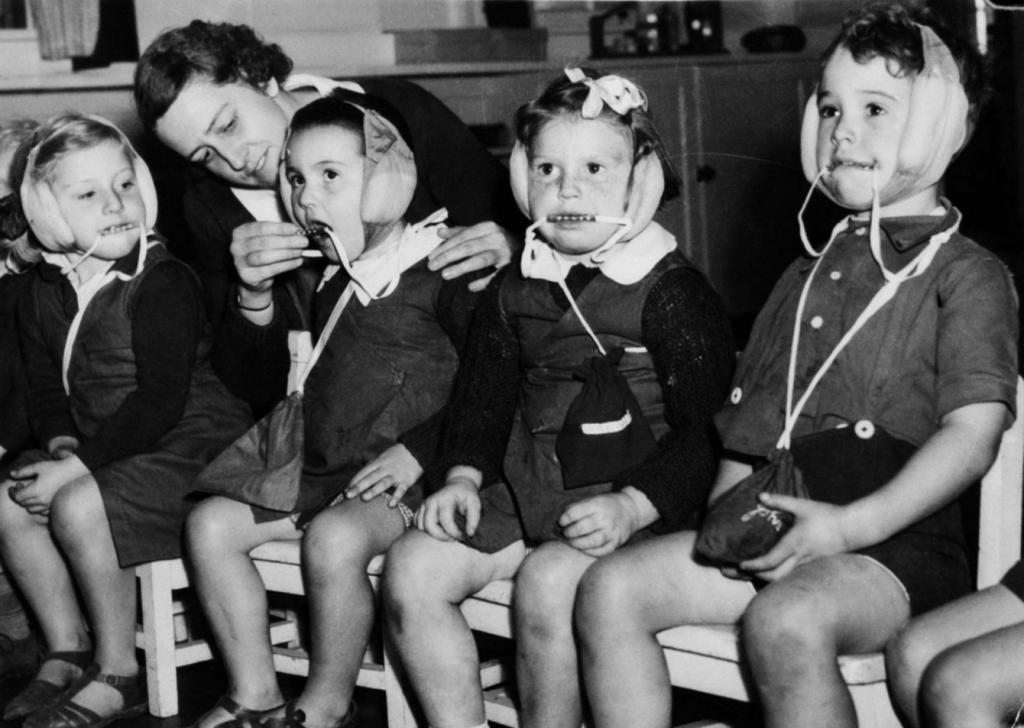
The advent of the Second World War presents particular challenges to the Kindergarten Union. Some Kindergartens open for longer hours to accommodate the needs of mothers who are now encouraged into paid employment as part of the war effort.

125 9
KU history post-war era service expansion

1950s-1960s

Expansion in the post-war era

The baby boom and post war European immigration boosts the Australian population. In the 1950s, the Kindergarten Union responds to the changes in population by introducing more kindergartens and purchasing a mobile van.

1970s

Politics and preschools

The 1970s poses a serious challenge to the values espoused by many in the Kindergarten Union. The Women’s Liberation Movement gains momentum and many women (and their male supporters) agitate for long day care, rather than preschools, to support mothers’ participation in paid labour.

politics and preschools
advocacy3

1980s

Advocacy, restructuring and diversification

As Commonwealth funding largely focuses on the expansion of work-related child care, the Kindergarten Union is at the forefront of advocating for funding for preschools, and the maintenance of high licensing and staffing standards in long day care. 

1990s

Competition, corporations and a new name

In 1991, the Board resolves to change the name of the Kindergarten Union. According to the Union’s President.

“The word “Kindergarten” was thought to be inappropriate as we provide a range of children’s services…”

competition
new millenium 27

2000s

The new millenium

The birth of a new millennium sees KU continue to be a dynamic and progressive organisation. As a result of changing demographics, population shifts and changes to government funding, KU experiences both expansion and contraction in the delivery of services during this period.

2015

A new chapter

The beginning of a new chapter for KU is marked by the Evolution Project, a comprehensive review of the organisation’s operations in 2015. Over the following years, KU invests significantly in its digital capability, social impact and growing reach.

A new chapter hero
Resilience and adaptation activity packs

2020

Resilience and adaptation

One of the defining moments in KU’s history, the COVID-19 pandemic has an immediate and significant impact across the organisation, and within weeks KU’s priorities shift.

2023

Leadership and reform

From 2023, a series of government inquiries and reviews examines the sector, considering issues such as affordability, quality, sustainability and child safety. For KU, this is an opportunity to add its voice to conversations that reach well beyond its own services.

Leadership and reform hero
KU today and tomorrow hero

KU today and tomorrow

Today, KU continues to lead the way in early childhood education and care through over 140 services and programs.

The KU of today is built on a great legacy and stands proudly on the shoulders of those who have come before us, as we pave the way for those who will come after us.

Curriculum and philosophy

Throughout its history, KU has adopted a progressive approach to children’s learning, emphasising play-based curriculum and the importance of developing the whole child.
125 5